Coalition Agreement 2026–2030

Tsezame, the fire of Kirchroa

Coalition Agreement 2026–2030
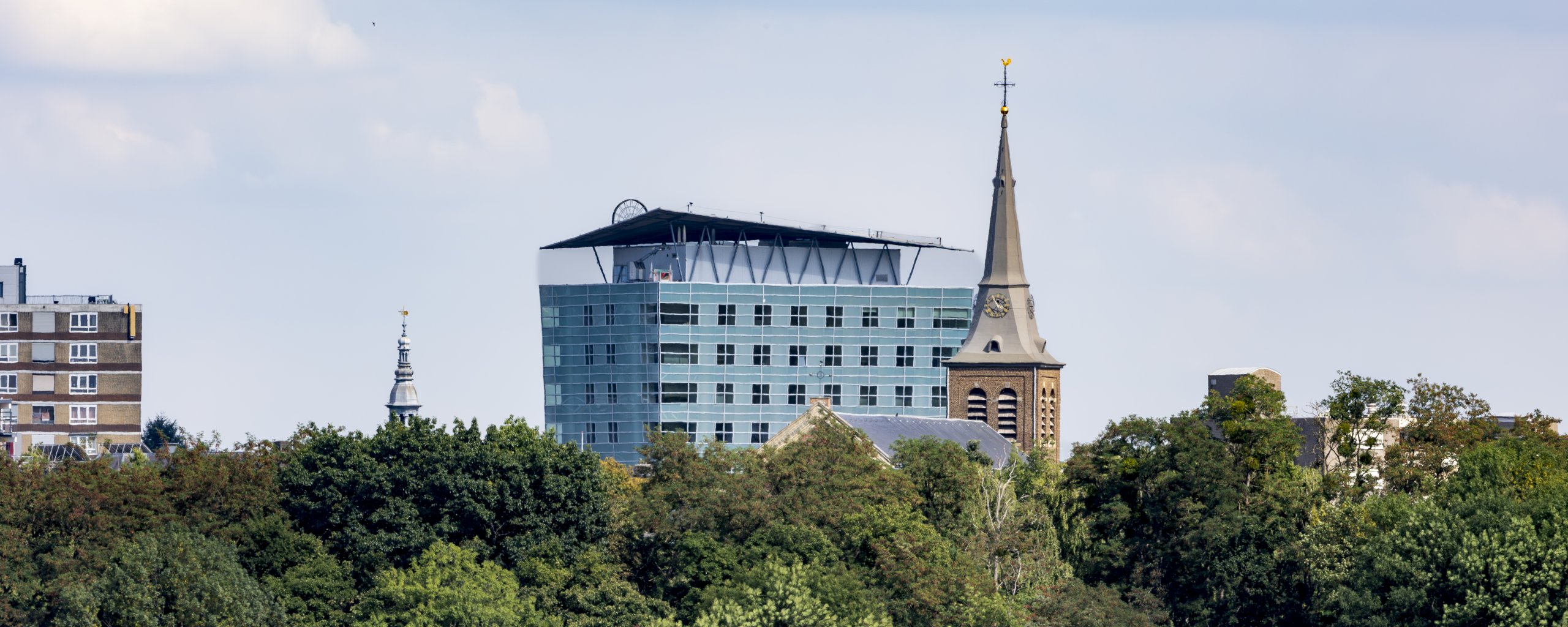
The downtown skyline: Lamburtus Church and City Hall rising above the trees

A solid democratic foundation 

On Wednesday, March 18, 2026, the residents of Kerkrade made their voices heard. With the victories of Burgerbelangen Kerkrade (14 seats), Ouderenpartij Kerkrade (4 seats), and Ons Kerkrade (4 seats), a strong foundation has been laid for stable and decisive governance. With 22 of the 29 seats, this coalition holds a comfortable majority. Forming a coalition entails shouldering major responsibilities, and we will not shy away from them. In this framework agreement, we outline our vision for the next four years. It is a living document that will be further developed into a concrete municipal executive program in the period leading up to the budget debate on November 12, 2026. During the upcoming term of office, the municipal executive will consist of the mayor and five aldermen, who, together with the city council and the entire city, will work to build a happy and resilient Kerkrade. 

Our Course: Steady and Forward-Looking 

Kerkrade is a city with a strong character, proud residents, and unparalleled resilience. Our ambition is clear: we want to be a future-proof, livable, healthy, and happy city where people of all generations enjoy living and working. The outlines of this vision are already taking shape. Previous coalitions have laid the foundation: neighborhoods are being transformed, employment is growing, comprehensive secondary education has been restored, and we stand up for people who are struggling. Yet we are not there yet, and we are taking the next step. Kerkrade faces major challenges in the areas of neighborhood livability, housing shortages, social inequality, and the energy transition. We will tackle these challenges by broadly continuing the course set during the previous term of office, while refining it where necessary with new insights. We are fully committed to the transformation into a happy city, with a focus on improving the quality of life in our neighborhoods. This requires boldness and ambitious goals that we aim to achieve together with our partners in the city across all areas of our residents’ lives. 

Let's all pitch in—everyone helps build it! 

We believe that policy can only succeed if it is supported by the people it is intended for. That is why we consistently draw on the insights of our residents and community partners—as key experts by experience—in all our initiatives. This coalition agreement is more than just a political document. It is an invitation to everyone who feels connected to Kerkrade and wants to contribute collectively to the transformation of our city. A unique highlight of this agreement is the Social Agreement. The challenges we face as a city are too great to bear alone. We are therefore committed to joining forces and working in a results-oriented manner toward shared goals. 
Our objectives were presented in advance to the business community, the education sector, and civil society. This has led to a socially supported agreement based on shared objectives. 
 

All organizations involved have indicated their willingness to commit to the objectives of the coalition agreement and to actively contribute to them. We are also seeking substantive cooperation with the opposition parties. Dialogue is at the heart of our democracy, and as a coalition, we bear the responsibility to ensure this dialogue proceeds smoothly and to collaborate with the opposition on substantive issues. 

Putting It into Practice: Our Ambitions by Theme

The goals we are pursuing as a coalition and the partnership we have established with our partners only truly take on meaning when they take root in our society. 

In the sections below, we translate our strategic direction into specific policy areas. The themes of quality of life and neighborhoods run like a common thread through this agreement; we start at the grassroots level—our neighborhoods—and work from there toward a comprehensive vision of the city. 

Each chapter concludes with a number of specific objectives that will serve as a guide for drafting the municipal administration program in the coming years. In this way, we make Kerkrade’s transformation for the upcoming administrative term visible and tangible to everyone.

The Neighborhood: The Foundation of Our City

Kerkrade’s strength lies in its neighborhoods. These neighborhoods form the foundation of a livable city. A livable neighborhood is more than just a collection of streets and squares; it is the place where our residents feel at home and can and want to be happy. The coalition aims to further develop neighborhoods, improve their livability, and strengthen social cohesion. 

Ensuring accessible and diverse community amenities remains a key priority for our coalition. These amenities are the places where our residents gather, run errands, or connect with one another. In recent years, we have made significant investments in our neighborhoods. The continued development of our neighborhoods will remain a priority in our policy during the coming term as well. With the well-being of our residents in mind, we are investing in areas such as quality of life, housing, Health, education, the economy, and sustainability, while focusing on the human touch and our city’s unique identity. Our approach is centered on collaboration among and with residents, organizations, and businesses.

Social Cohesion and Interaction

Social cohesion is a challenge we can only address together. In close collaboration with our community partners, we’re taking initiatives to restore a sense of connection in the neighborhood. We see tremendous opportunities in strengthening the ties between our vibrant community organizations and the neighborhoods. Our community centers play a crucial role in this: they are the neighborhood’s living rooms, where social interaction and resilience go hand in hand. Combating loneliness begins with social interaction. We will therefore continue to promote and, where possible, strengthen our current approach to neighborhood-focused work.

A green and well-maintained living environment

The design of our public spaces serves as a calling card for our neighborhood and plays a key role in shaping how we feel. High-quality public green spaces are essential in this regard; they contribute to the neighborhood’s appeal, safety, people’s mental and physical well-being, and its climate resilience. 
We are therefore committed to creating more thoughtfully designed green spaces that are well maintained. Public spaces should also encourage physical activity, play, and social interaction.

We therefore take this into account when designing public spaces and are open to (digital) innovations. In addition, a well-designed public space contributes to our residents’ sense of safety.

Residents as Experts by Experience

Residents are the ultimate experts when it comes to their own neighborhoods. It therefore goes without saying that we listen to and respond to reports and initiatives from residents. We are also committed to further improving communication regarding citizen initiatives. We believe in the power of our residents and will continue to actively facilitate citizen initiatives. When residents take the initiative to support their own neighborhoods, it creates a sustainable energy that we, as a municipality, must nurture. Through neighborhood and community budgets, residents have the resources to directly influence their own streets or public squares. In addition, we will continue our neighborhood and community visits with full force during the coming administrative term. In this way, we remain side by side with the people we serve, and together we build the quality of life in our neighborhoods.

BOOST and the National Program for Quality of Life and Safety

In Kerkrade EAST, we have launched a long-term initiative together with our partners in the area to improve the quality of life in the neighborhood. As a coalition, we will continue to support this approach and, where possible, intensify it to foster even stronger cooperation. Given the challenges we face in the areas of quality of life and safety, the coalition will make every effort to qualify for a structural grant from the national government through the National Program for Quality of Life and Safety or other means.

Objectives
  1. Further Development of Neighborhoods
  2. Enhancing quality of life and amenities, for example, by designing public
    spaces and facilities
  3. Strengthening Social Cohesion in Neighborhoods

Safety

Safety is the foundation for a pleasant life and a livable city. Everyone should be able to feel safe. That is why we continue to invest in visible law enforcement and a comprehensive approach to residential disturbances, youth-related disturbances, and (subversive) crime. 

In doing so, we are committed to improving both the objective level of safety and our residents’ sense of safety. The coalition places special emphasis on prevention, recognizing that sustainable improvement also requires investment in young people and neighborhoods. We achieve these goals through measures such as visible law enforcement and feedback to those who report incidents, the intervention team, and programs like “Social Safety” and “Prevention with Authority.” With the latter program, we intervene early: we offer hope where possible, but we are firm where necessary. 

We also promote social cohesion and solidarity through, among other things, social work and collaboration with various community partners.

We are also working in the neighborhoods to create safe public spaces, including through proper physical design, lighting, and, where effective, video surveillance. Residents should be able to easily report issues, and these reports should be carefully followed up on. 

We also pay particular attention to the younger generation, who are coming into contact with crime at an increasingly younger age. Through “authoritative prevention,” we intervene early: we offer opportunities where possible, but take firm action when necessary. 

Resilience

The changing geopolitical context and increasing dependence on critical infrastructure call for greater local resilience. A resilient society is essential in this regard. As an organization, we are preparing ourselves and our residents to stand together against social disruptions, crises, and external threats. For us, resilience goes beyond mere safety. It is about our community’s ability to recognize risks in a timely manner, find the right information, and rely on one another in times of need. The municipality plays a facilitating and coordinating role in this regard. To strengthen and enhance our current resilience and ability to bounce back in the event of a prolonged crisis, we are implementing a resilience program. This program involves making preparations for situations in which vital processes fail, potentially resulting in significant economic damage and social disruption. 

Objectives
  1. Enhancing Safety (and the Sense of Safety)
  2. Focusing on Prevention in Addition to Enforcement
  3. Preventing Young People from Going Off the Rails
  4. Building (Personal) Resilience

Housing for Everyone

Pressure on the housing market is high. As a result, residents often have to wait a long time for a suitable home. That is why, in the coming years, we are committed to building 1,300 to 1,500 homes in various price ranges. We are focusing on first-time buyers, families, seniors, and those looking to move up the housing ladder in order to achieve a well-balanced housing supply. 

We will build as much as possible within the existing urban structure, with a focus on quality of life and innovative, inclusive housing options. This includes, for example, housing options that enable people to live independently for longer. The coalition wants to retain as many of our city’s housing seekers as possible in Kerkrade. Therefore, when new rental housing is built, priority will be given to housing seekers from Kerkrade, in consultation with our partners and as set forth in performance agreements.

The coalition remains committed to a project in the Kaalheide neighborhood that brings together sports, Health , and housing. Through this project, we are working to create a modern living environment that connects the Kaalheide neighborhood and its various organizations, and provides facilities for sports clubs and the professional soccer club Roda JC.

The Park City Act and Other Policy Instruments

With the implementation of the Parkstad Act, we aim to improve the quality of life in our neighborhoods and strengthen social cohesion by focusing on vulnerable new residents. In addition, within the framework of the Parkstad Act, we will engage in discussions with businesses and housing cooperatives to establish so-called live-work arrangements. Alongside the Parkstad Act and the continuation of “the housing offensive,” the coalition will also continue to explore other policy instruments for the housing market (such as buyout protection in certain neighborhoods or streets).

Network Congestion

Due to the strain on our power grid, the availability of energy can no longer be taken for granted. This poses a source of Health for our construction plans. As a result, construction and sustainability initiatives may be slowed down. For this reason, we are exploring alternatives to make our ambitions a reality.

Traveling Home Policy

A new policy on mobile homes is being introduced that respects mobile home culture and complies with current legislation. 

Objectives
  1. Construction of 1,300–1,500 housing units in various segments
  2. Contribute to livable neighborhoods through a healthy mix, while remaining open to innovative
    housing models
  3. Drafting a New Policy on Mobile Homes

Traffic and Accessibility

The accessibility of neighborhoods, communities, and business parks by bicycle, car, and public transportation is of great importance for education, employment, tourism, and maintaining social connections. This will therefore remain an ongoing priority for this coalition.

Reconstructions

We have worked hard on various reconstruction projects in recent years. We will continue this work in the coming years. The municipal infrastructure is therefore constantly monitored, and any bottlenecks are addressed. In road reconstruction projects, attention will be paid not only to an adequate, functional, and pedestrian- and cyclist-friendly design but also to a traffic-safe layout that includes space for green areas. We pay special attention to traffic safety around schools.

Pilot GOW30

We are conducting pilot studies to determine whether the speed limit on certain local access roads can be reduced to 30 km/h. Through these pilot studies, we aim to assess whether this is suitable for our city, whether road users will adjust their driving behavior, and whether speed-limiting measures will be respected by road users.

Parking

Parking facilities are an essential part of our city’s accessibility. A sound parking policy ensures that locations and amenities remain accessible without negatively impacting quality of life. We will continue to monitor existing parking options and, where possible, optimize and connect them. The first hour of free parking will remain in effect.

Innovations

Technological innovations and changing behaviors among residents and visitors are influencing the way they get around. We are open to such innovations and view them as a valuable addition to existing traditional transportation options.

Objectives
  1. Improving Transportation Services
  2. Road and Public Space Design for Traffic Safety

Children and Youth

Young people are the future of our city. During the coming term of office, we will be working on the “Beleef Kerkrade Ambition Plan,” which will further strengthen our focus on youth and young people. We are opting for a structural investment by organizing meaningful music and cultural activities at the future Flexiforum Live concert venue. Young people will be actively involved in this process: we will engage directly with them to gain a clear understanding of their needs. 

Youth Participation

We believe it is extremely important for young people to have a voice. The Kerkrade Children’s Council gives elementary school students a say in policy, helping them become familiar with our democracy. The Kerkrade Youth Advisory Council (JARK), youth centers, and youth workers also play an important role in engaging and empowering young people.

Youth Services

The revised approach will be continued during the coming administrative term, and there will be a stronger focus on the needs of children and parents/guardians. In addition to substantive benefits, we see that this approach also allows us to gain better control over the structure of care arrangements. We are awaiting the decisions the national government will make regarding whether or not to introduce a copayment for parents in cases of youth care. Looking ahead from the “ravine year” in 2028 and beyond, such a development, combined with cost-of-living adjustments, will be decisive for the affordability of youth care at the local level. Should the national government offer the option to do so, the implementation of a user fee will be considered in this context. 

Loneliness Among Young People

There is a growing focus on the rising rates of loneliness among young people. Early detection
and the prevention of loneliness are crucial in this regard. Our vision is clear: no child should fall between
a rock and a hard place.

Objectives
  1. More activities for children and teens (including Flexiforum Live).
  2. Actively combating loneliness among young people.
  3. The goal is to ensure that no child is left behind.

Education

Young people are the future. Education plays a vital role in guiding young people
toward self-assured adulthood. In addition, the school serves as a central gathering place in
the neighborhood. During the community exploration, this was aptly expressed by the saying: “It
takes a village to raise a child.”

The government is working toward a fully inclusive education system by 2035. This means that all
students, with and without disabilities, will be educated together in their own neighborhoods. Quality education
requires quality school facilities. The coalition is therefore committed to strong educational facilities
located close to neighborhoods and continues to support initiatives such as “The Healthy Elementary School of the Future.”

Strengthening Secondary Education

A high standard of education for our children ensures that they have opportunities. For this reason, continuing to support comprehensive secondary education (“The Martin Buber and Holz Vocational College”) is particularly important. We will also explore effective ways to bridge the gap between elementary and secondary education to prevent adjustment problems during the transition.

Strengthening Basic Skills

In the Netherlands, there are approximately 2.5 to 3 million people aged 16 and older who lack sufficient proficiency in reading, writing, and/or arithmetic. Low literacy is also clearly present in our city; 23% of our residents struggle with these basic skills. We are addressing this issue through a comprehensive approach in collaboration with external partners.

The Role of Sports and Culture

Physical activity promotes the development of good motor skills, while cultural education can help nurture artistic
qualities. We will therefore continue to
promote physical and cultural education.

Objectives
  1. Safeguarding and Strengthening Elementary and Secondary Education
  2. Improving Basic Skills in Reading, Writing, and Math
  3. Integrating Physical Activity and Culture

Physical Activity and Sports

An active lifestyle is the foundation of a healthy and vibrant society, in which the municipality plays its part in making sports and physical activity accessible, appealing, and close to home for every resident, young and old. We continue to support the guiding principles of “Vie, Life in Motion.”

Every child participates

Regular physical activity improves children’s physical development, motor skills, and physical and mental fitness. The municipality will therefore take additional steps to encourage children to be active. To this end, an annual amount of €100.00 per child (ages 5 to 16) will be made available for sports, culture, and music. An added benefit of this is that it strengthens the viability of our clubs. 

Physical Activity in Public Spaces

The coalition wants to encourage physical activity not only through financial incentives, but also by bringing sports and exercise to residents in the neighborhood. That is why it is focusing on physical activity in public spaces for people of all ages.

Objectives
  1. Promoting a healthy (mental and physical) lifestyle
  2. Allocate €100 per child per year for sports, culture, and physical activity
  3. Designing Active-Friendly Public Spaces

Playgrounds and playgrounds

We believe it is important for children to develop, have fun, and interact with others in a safe and enjoyable play environment. Playgrounds and play areas play an important role in this.

Quality in Every Neighborhood

A livable neighborhood also requires high-quality play facilities. We therefore want to continue ensuring that there are enough high-quality public play areas in all of our neighborhoods.

Every child joins in

Every child should feel seen and welcome in our city. We therefore believe it is important that children with disabilities can participate as well. We are committed to equipping as many playgrounds as possible with inclusive play equipment so that children with and without disabilities can play together.

Objectives
  1. We aim to equip as many playgrounds as possible with inclusive play equipment 
  2. We provide high-quality public play areas in the neighborhood

Older Adults

In Kerkrade, everyone participates. This principle applies fully and certainly also to the older generations upon whom our current prosperity is built. Continuing to participate has a positive impact on well-being, allowing older adults to live independently for longer and helping to prevent the pressure on the Health from increasing too quickly. 

Integrated elderly policy

A comprehensive policy for older adults is our tool for achieving this. This means that we will support older adults in maintaining their independence and continuing to participate in society for as long as possible. 

Amenities in Your Own Neighborhood 

Services in all neighborhoods are especially important for our seniors. We will therefore continue to support these efforts. Within our means, we also strive to provide services in the evenings, because that is precisely when seniors tend to feel lonely.

Informal Caregivers 

Informal caregivers are a vital pillar of support in our society. They make it possible for vulnerable residents to continue living in their own familiar surroundings for longer. The dedication of these caregivers is invaluable to the quality of life and social cohesion in our neighborhoods. The coalition recognizes the heavy burden that informal caregivers take on and considers it a duty not only to appreciate them but also to provide them with practical support to prevent burnout. As a token of sincere gratitude and recognition for their sustained dedication, we will therefore continue to support the annual informal caregiver allowance.

Digital Support 

We remain committed to improving digital accessibility for older adults. We focus on digital services wherever possible and traditional (in-person) services where necessary. We also help older adults who are struggling to adapt to the new digital age. The “Digital Government Information Point (IDO)” at the HuB is an excellent example of this targeted support.

Objectives
  1. Promoting longer-term independent living and participation in one’s own neighborhood 
  2. Combating Loneliness Among Older Adults 
  3. Improving digital accessibility for older adults.

Health

A high-quality and accessible Health, focused on early intervention and prevention, is essential to the well-being of our residents. We take care to ensure that the most vulnerable do not bear the brunt of the situation. In implementing social services, we therefore always take the human dimension into account.

Poverty and Debt

Financial worries are never just about the numbers in a bank account; they affect your health, your family, and your participation in society. In Kerkrade, we don’t leave anyone to face the struggle against poverty and debt alone. We focus not only on resolving financial hardship, but above all on restoring peace of mind and resilience among our residents. Our poverty and debt policy, with a clear focus on child poverty, will therefore continue. Through our work hubs, we will also continue to focus on building skills and self-reliance to make residents facing unemployment or debt more resilient. 

People Who Avoid Seeking Care

Easy access to healthcare systems is important. With this in mind, we will focus on residents who avoid seeking medical or mental health care due to shame or lack of funds. We will continue to maintain the existing healthcare infrastructure, in part with these target groups in mind.

Human scale and regional distribution

Kerkrade plays a major role in providing housing for people in need of care and in offering supraregional services; discussions are underway with neighboring municipalities to achieve a more balanced distribution across the region. This is partly to improve the quality of life in our vulnerable neighborhoods.

Objectives
  1. Strengthening poverty and debt policies, with a focus on child poverty
  2. Increasing Self-Reliance and Participation
  3. Achieving a balanced distribution of Health(housing)

Health Care

To address our city’s specific health challenges and demographic trends, we are committed to a comprehensive approach in which prevention, access to quality care, and a healthy lifestyle starting at a young age form the foundation for a resilient society.

Awareness and Prevention

Our efforts are focused on making healthy choices possible in every neighborhood. Through targeted prevention and education, we are laying the foundation for greater health awareness among our residents. Precisely because our region is characterized by an aging population and complex health issues, we will not stand idly by as the “ Health ” is scaled back. 

We therefore remain tirelessly committed to preserving a full-service hospital for the Parkstad region.

Mental Balance and Living Environment

Health goes beyond physical health; it’s about residents feeling good—both literally and figuratively. That is why mental health is an explicit focus of our policy.

Objectives
  1. Promoting physical and mental health among young people and older adults.

Associations

Our thriving community life forms the social foundation of our city. It is the place where social interaction, talent development, and civic engagement come together, strengthening the sense of community in our neighborhoods.

Strong Associations Through Collaboration

We see it as our mission to support and facilitate community organizations so that they can continue to play a vital role in the future. To prevent fragmentation and a decline in membership, we encourage active collaboration among organizations and with the surrounding neighborhoods. 

Although the initiative for fundamental cooperation and connection lies primarily with the associations themselves, the municipality acts as a partner, when asked, to support these processes and remove barriers.

Future-proof housing

A vibrant community life requires a suitable physical foundation. We are therefore developing a comprehensive and future-proof facilities policy tailored to our neighborhoods. This policy provides a clear framework for sound decision-making regarding facilities, with the goal of ensuring the efficient use of facilities that meet today’s needs.

The Indispensable Power of Volunteers

The selfless dedication of volunteers is the driving force behind our associations. Without their passion and time, sports, culture, and well-being would come to a standstill. The coalition cherishes and values this dedication and supports it wherever possible.

Objectives
  1. Promoting collaboration between community organizations and neighborhoods
  2. Developing a Future-Proof Housing Policy
  3. Valuing Volunteers

Culture

For us, culture is not a luxury, but a unifying force that directly strengthens social cohesion and well-being in our neighborhoods. The HuB will remain the central gathering place in the heart of our city, with the municipality continuing to play its catalytic role. To further increase the economic benefits of culture, we are committed to making the Rodahal a permanent venue for large-scale events. 

Attention will be given to the availability of larger (municipal) venues for Kerkraade-based organizations with limited budgets. To this end, a list or catalog of available venues (sorted by size and accessibility) for (cultural) performances and activities will be compiled.

Dialect and the Mines

The Kerkrade dialect and our mining heritage are at the heart of our identity. We actively encourage the use of the local dialect and are working toward “Part III” status to ensure legal protection for our dialect. At the same time, we cherish our mining heritage as the foundation of our “DNA.” Keeping these stories alive is essential for passing on Kerkrade’s history to future generations and embedding historical awareness in our neighborhoods.

Objectives
  1. Strengthening and developing cultural offerings, including those for young people.
  2. Protecting and promoting the Kerkraad dialect.

Economy and Employment

A strong economy is essential to the quality of life in our city and the affordability of our public services. That is why we continue to support business owners in the city center and in the neighborhoods, and why we are continuing our successful collaboration with businesses in the industrial parks. Central to this is that, as a municipality, we contribute ideas and work together with our businesses as partners. 

Promoting Entrepreneurship

To ensure the vitality of the neighborhood clusters and the city center, the “Incentive Program for Neighborhood Shopping Areas and the City Center” will continue. In addition, we will continue to actively invest in professional city center management and the branding of our city through “Beleef Kerkrade.” 

After all, an attractive business climate is created by striking the right balance between regional branding and local support. We will also continue to strengthen the appeal of our thriving business parks and maintain our strong collaboration. In addition, we are focusing extra attention on making business parks more green, including the Roda Boulevard. 

Medlands and the Einstein Telescope

Through broad regional cooperation, we are positioning our region—via “Medlands-Parkstad”—as a leading center for the high-tech medical technology sector. This sector, which currently employs approximately 6,000 people, is expected to grow to 9,000 jobs. We are strongly committed to this collaboration, as well as to the potential arrival of the “Einstein Telescope” in the Euregio. This underground observatory for gravitational waves will provide an unprecedented economic boost. The facility has the potential to create 1,000 to 2,000 additional jobs for workers who live in the region, spend their money here, and use our schools and amenities. Attracting and retaining these skilled employees is crucial to our growth. We must therefore respond to this need across various disciplines in our city.

Center management

The city center is Kerkrade’s showcase. In recent years, significant investments have been made in the quality of our city center. The continued development of the city center remains a key priority. After all, time does not stand still. Together with our local partners, we aim to create a vibrant and socioeconomically strong city center with attractive amenities for residents, visitors, and business owners—a place where people of all ages can live, shop, meet, and spend time in a safe and visually appealing environment.  The Kerkrade City Center Action Plan is central to this effort. We are committed to creating a comprehensive, compact, and comfortable city center. The streets leading to the city center and further greening initiatives will be incorporated into this ongoing development. Where necessary, signage directing people to the city center will be more prominently integrated into the streetscape.

We want to implement a complete ban on bicycles in the city center (shopping district and Markt). This ban will be accompanied by unambiguous signage, clear rules, and transparent communication. 

Labor Market and Social Participation

We place great importance on close collaboration with the business community to ensure that labor supply and demand are optimally aligned. In doing so, we promote alignment between the education sector and the needs of businesses, with a specific focus on optimal accessibility, internship opportunities, and job seekers of all ages. 

Our guiding principle is that everyone should be able to participate to the best of their ability. We put this active involvement into practice through the “Development Center” at the Flexiforum and our partnership with MeanderGroep at the Elisabeth Stift. Here, we help people who are distanced from the labor market find employment directly.

We also have a clear cross-border focus. Through the Eurode Business Center, we promote cross-border employment. 

Objectives
  1. Collaboration in Medlands-Parkstad and around the Einstein Telescope
  2. A vibrant downtown area featuring housing, culture, shops, and events, among other things
  3. Improving the Alignment Between Education and the Labor Market
  4. Creating an Attractive Business Environment
  5. An inclusive labor market for everyone
  6. Connecting businesses and educational institutions to facilitate community service internships.

Tourism and Recreation

Tourism is a crucial pillar of our city’s economic vitality and image. By effectively positioning our unique attractions and strengthening their connection to our city, we are turning our municipality into a destination where visitors not only enjoy coming but also stay longer.

The Appeal of Our Attractions

Kerkrade is home to major tourist attractions that we continue to cherish with pride. Locations such as GaiaZoo, the Discovery Museum, LeisureDome, the Botanical Garden, and Schacht Nulland form the foundation of what we have to offer. In particular, we are also focusing on the further development of the historic Rolduc Abbey as a tourist destination. To maximize the economic “spillover” benefits for local businesses, we continue to encourage active connections between these attractions—both among themselves and with the city center. The Parkstad bike route also remains important in this regard, as it guides visitors through our area in an attractive way.

In addition to these attractions, Kerkrade also has beautiful, expansive nature areas that are ideal for outdoor recreation, such as the Anstelvallei and Wormdal nature reserves.  

Regional Promotion and Marketing

We will continue to vigorously encourage and promote tourism and recreational initiatives, wherever possible within a regional and Euregional context. In doing so, we will make optimal use of “Beleef Kerkrade.” By joining forces in this way, we will strengthen Kerkrade’s position as a versatile destination for a broad audience.

From Day Trips to Overnight Recreation

In addition to traditional day tourism, overnight stays are becoming increasingly important for our city. We are closely monitoring this positive trend and are therefore focusing specifically on expanding our lodging options. In close consultation with our tourism partners, we are committed to offering combination packages designed to encourage visitors to stay longer in our city and discover the many facets of Kerkrade.

Objectives
  1. Further Development of the City as a Tourist Destination
  2. Strengthening the connection between tourist attractions and the city center
  3. Expanding Accommodation Options in Kerkrade

Sustainability and Climate

The “ Health ” for a livable neighborhood calls for a comprehensive approach in which we prepare for the consequences of a changing climate while simultaneously building an independent and affordable energy supply. By combining technical innovation with local engagement and affordability, we are working toward a future-proof Kerkrade.

Climate Adaptation and Water Management

We are facing the consequences of climate change. Extreme weather events such as heavy rainfall, drought, and hot summers are becoming increasingly common, as are the resulting disruptions and damage. We must adapt to this climate change. Nevertheless, we want to manage its consequences, such as flooding, drought, and heat stress in urban areas. Therefore, in the coming term of office, we will continue to implement measures that prevent or limit such disruptions.

Energy Transition and Affordability

Global developments and our dependence on fossil fuels make the energy transition inevitable. Our goal is to achieve a healthy mix of energy sources. Wind energy is one of those sources. In this regard, we continue to adhere to the principle that wind turbines will only be installed if 95% to 100% of the immediate neighbors consent to their installation. Furthermore, we strongly support initiatives such as neighborhood or community batteries, and we will continue to explore opportunities to utilize cross-border energy sources.

In addition to technical feasibility and implementation timelines, the affordability of new energy sources for residents also plays an important role. The coalition wants reliable and affordable energy solutions for its residents and, where such solutions are not available, will not actively encourage residents to stop using natural gas as an energy source. To lower residents’ energy bills and prepare them for the future, we will continue to encourage citizens to take sustainability measures, such as insulating their homes.

Sustainable Living Environment and Circularity

The quality of our neighborhoods is determined by a healthy balance between built-up areas and nature, where we work together with residents and businesses to create a climate-resilient environment that encourages sustainable living and working. In outdoor spaces, we are therefore stepping up efforts to green industrial parks, and residents will be encouraged to participate in greening their own neighborhoods—of which the so-called “tile flipping” initiative is a prime example. Finally, we are focusing on a circular economy; with this in mind, we aim to minimize waste as much as possible.

Objectives
  1. Addressing Climate-Related Disasters: Water, Drought, and Heat
  2. Achieving an affordable and diverse energy mix (which also allows for the temporary use of
    natural gas)

Migration and Asylum

The challenge of accommodating refugees requires a careful balance between human solidarity and the physical and social limits of our neighborhoods. To safeguard the quality of life and social balance in Kerkrade, careful coordination is necessary, with local capacity serving as the guiding principle for determining the extent to which additional pressure on our services can be absorbed.

Based on regional agreements, Kerkrade has been making a significant contribution for many years to the regional effort to provide shelter for displaced persons. This contribution involves providing approximately 550 shelter spots for Ukrainians. This places high demands on the municipal organization and puts additional pressure on our housing, Health, education, and social services. Through this contribution, Kerkrade is fulfilling its responsibility in this area in accordance with regional agreements. 

Veterans and uniformed personnel

The coalition holds our veterans and uniformed personnel in high regard. They have often served under difficult conditions in conflict zones around the world. Although they receive recognition from the government, their need for greater connection with society is clearly evident. That is why we will explore how we can further strengthen the “ Health ” and support for and with this group in an appropriate and meaningful way.

Objectives
  1. Examining how Health can be implemented

Organization, Collaboration, and Finance

To realize our ambitions, Kerkrade is building on a foundation of strong leadership and close collaboration with our partners, modern management practices, and sound financial policies. By combining regional collaboration with a clear vision for the future, we are safeguarding our city’s independence and effectiveness.

Governance Capacity and Regional Cooperation

Our city has sufficient administrative capacity and decisiveness to face and resolve the challenges that lie ahead. We are therefore proud of our proven independence. 

Some of our social challenges are too great to be addressed solely at the municipal level. By collaborating on substantive issues as a region, we can make a greater impact and serve our citizens more effectively. The Parkstad Limburg Urban Region and the Province of Limburg are important partners for us. We are open to further regional and/or Euregional cooperation. From a labor market perspective, the national border is viewed as an opportunity in this regard.

A Clear Direction and Cross-Functional Collaboration

In the coming period, we will focus on further optimizing municipal operations. In all our efforts to improve our city, create opportunities for residents, and strengthen the local economy, our efforts sometimes become fragmented, and there is a lack of an overarching, unifying vision that brings decisions together and provides direction. To move in this direction, we want to convey a clear narrative about what Kerkrade stands for and where it wants to go. Central to this is the happiness of our residents. With this happiness in mind, we are presenting a coherent agenda of goals. We recognize that happiness means different things to different people and that not everyone can be happy. What we can do, however, is consciously contribute to the well-being of our residents in everything we undertake. Goal-oriented organization and an approach that transcends specific sectors and organizational boundaries are the other two elements of this strategy. Plans to this end are being further developed.

Innovation and Digitalization

Robotization and artificial intelligence are gaining ground in the municipal sector. Work processes, customer interactions, and our services can be organized and carried out more efficiently with the help of artificial intelligence. We will closely monitor these developments and, where possible and appropriate, incorporate them into our operations.

Our residents must be able to trust that their personal data is secure and that municipal systems are set up securely. In the coming years, we will need to invest in innovation, experimentation, and the responsible use of AI, while paying close attention to privacy, information security, ethics, and algorithm transparency. 

Sound financial policy and future-proofing

We strive to balance the budget and operate with a transparent financial management system that includes clear financial frameworks. Just as in the previous term of office, the vision and ambitions outlined in this framework agreement for the coming term will be realized within these financial guidelines.

Starting in the “fiscal cliff year” of 2028, Kerkrade—like other municipalities—will face lower revenues from the Municipal Fund, expiring central government grants, and rising costs in the social sector. Balancing the budget will therefore remain a key priority. Given the uncertainty and the fluctuating national financial policy, our guiding principle is to avoid making hasty, irreversible decisions.

Objectives

  1. Kerkrade Will Remain Independent
  2. Strengthening Regional Cooperation
  3. Turning the Border Region into an Opportunity
  4. Developing a unifying narrative, “The Happy City,” with a cross-domain and cross-organizational
    goals agenda
  5. A modern and efficient organization and the responsible use of innovation and AI
  6. Sound financial management

Closing Remarks

This framework agreement serves as the foundation for the development of the 2026–2030 municipal program. It is an invitation to residents, business owners, organizations, and community partners to work together to build a strong, socially inclusive, future-ready, and happy Kerkrade. 

Together, we’re building a city where people feel at home, have opportunities, and are proud and happy. Let’s light up Kirchroa. 

Agreed upon at the Kerkrade City Hall on May 29, 2026,

Kerkrade Citizens' Interests: 

  • Alexander Geers 
  • Nicolle Heijltjes
  • Raoul Vinken
  • Lucie van de Meerakker

Our Kerkrade: 

  • Noud Krasovec
  •  John Roland

Kerkrade Senior Citizens' Party:

  •  Jo Paschal
  •  Léon Souren
     

Attachments

Portfolio Allocation and Portfolio Reconciliation

The composition of the Municipal Executive is based on 5.0 FTE
alderman positions, which, divided among the three coalition partners, are filled as follows by five
aldermen:

Political partyFTE sizeNumber of
aldermen
Civil Liberties3,0 FTE3
Kerkrade Elderly Party1,0 FTE1
Our Kerkrade1,0 FTE1

The portfolio allocation is as follows:

Mayor Petra Dassen-Housen
  • Public order and security
  • Disaster Management
  • Enforcement Coordination
  • Eurode and international affairs
  • AB/DB Parkstad Limburg
  • Public affairs and services
  • Computerization and automation
  • Traveling Home Policy
  • Communications
Alderman Alexander Geers, who is also first deputy mayor
  • Housing and Public Housing
  • Economy and Tourism
  • Public space
  • Real Estate (OBK)
  • Personnel and Organization
Alderman Nicolle Heijltjes, who is also the second deputy mayor
  • Spatial planning
  • Marketing and events
  • Weekly markets and fairs
  • Play Areas and Playgrounds
  • Sports
  • Sustainability
  • Veterans' Affairs
  • District Councilor East
Alderman Raoul Vinken, who is also the third deputy mayor
  • Culture
  • Mobility
  • District Development
  • Center management
  • Education
  • Dialect
  • District Councilor North
Alderman Jo Paas, who is also the fourth deputy mayor
  • Finance
  • WMO
  • Integrated elderly policy
  • Waste and the Environment
  • Welfare
  • District Councilor West
Alderman John Roland, who is also the fifth deputy mayor
  • Social affairs and employment
  • Euroregional labor market
  • Community Health
  • Public Health
  • Youth Services

Deputy Chair of the Council, committee chairs, and (citizen) committee members

During the discussions regarding the formation of the coalition, the following was agreed upon with respect to the deputy chair
, and the committee chairs:

  • Deputy Chair of the Board: Leo Jongen
  • Chair of the General Affairs and Resources Committee (Committee 1): Opposition
  • Chair of the Citizens and Society Committee (Committee 2): Coalition
  • Chair of the Committee on Territorial and Economic Affairs (Committee 3): Coalition

The table below applies to the number of members of the citizens' committee.

Seats on the councilNumber of members of the "
" citizens' committee
13
23
44
1414

In addition, the following
agreements have been made regarding the committee members and the citizen committee members.

  • The council committees are composed of council members and citizen committee members.
  • Citizen committee members may serve on (only) one committee.
  • Council members may substitute for members of the citizens' committee in the event of their inability to attend or absence from the
    committee meeting.
  • Citizen committee members may not replace other committee members.
  • If a political party splits, this will not result in any change to the agreements made with
    regarding the number of citizen committee members to be appointed or who have been appointed.
  • In the event of a split within a party, any newly formed caucus is not entitled to
    citizen committee members, provided that these members may still serve on 3 committees
    .

The Social Agreement

Building a Happy Kerkrade Together
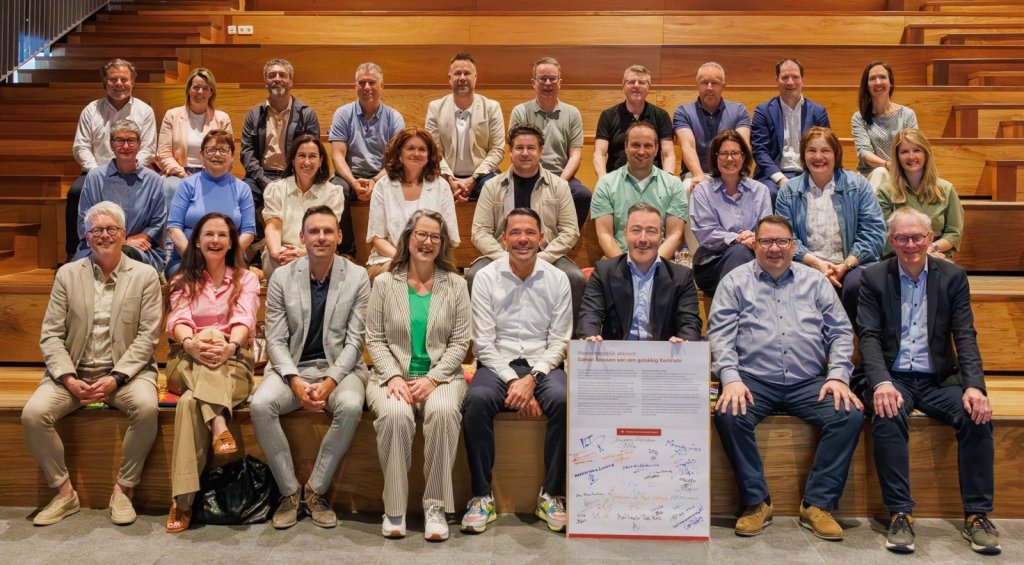
Group photo of all civic stakeholders, organizations, and associations in the City of Kerkrade that have signed the civic agreement.